
Picture the elopement you have been sold. A couple on a ridge at first light, a mountain climbed to get there, the whole thing earned on foot. It is a beautiful picture. It is also a narrow one, and if you are planning around a wheelchair, a cane, chronic pain, a body still healing, or a parent you want right there beside you, it can feel like the door was shut before you walked in.
Here is what that picture leaves out. Some of the wildest, most moving places in this country do not ask you to hike at all. They meet you at the parking lot. A paved rim above a canyon that runs to the horizon. A boardwalk that floats you out over white sand. A waterfall at the end of a flat, even path. You are not asking for too much. You are asking for the right spot, and it exists.
This is not a list of consolation prizes. Every place here is genuinely wild and genuinely beautiful, and every one has a real, named accessible feature we checked against the National Park Service. Your day, your pace, your people.
How to read an accessible spot
Before you fall for anywhere, learn to read it, because accessible is a word that hides a lot. Ask three things about the actual ground:
- The surface. Paved, boardwalk, packed gravel, or loose sand? Loose sand and a wheelchair do not mix, and even soft gravel can bog a chair down.
- The distance. How far is it from the accessible parking to the view, and is it flat the whole way, with no stairs hiding in the middle?
- The grade. A path can be paved and still be too steep, or tilted enough sideways to feel unsafe.
When a website is vague, call the park and ask for the accessibility coordinator. They will tell you the real surface, the real grade, and what is open right now. It is the single best thing you can do, and it costs one phone call.
Grand Canyon South Rim, Arizona
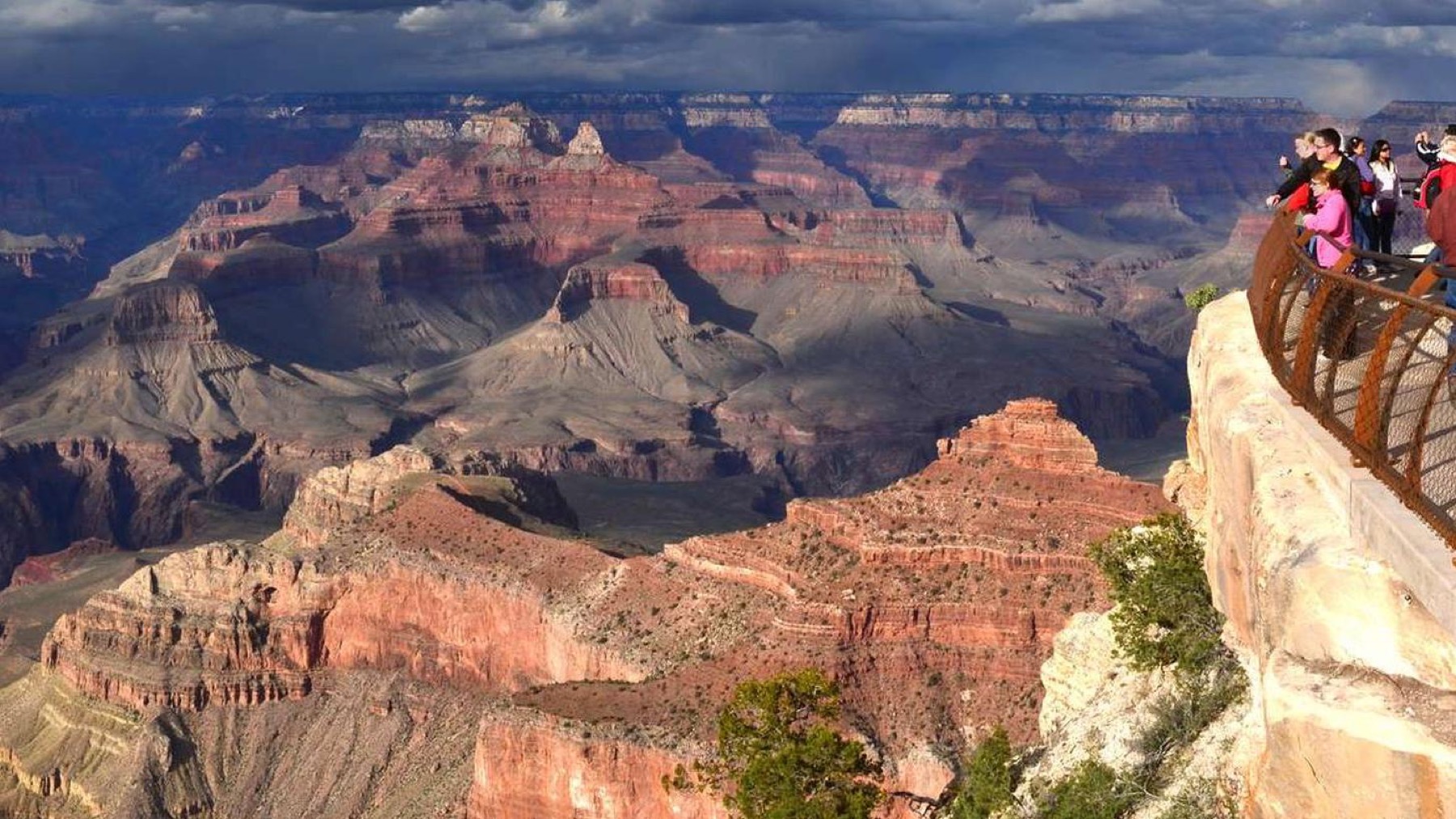
You can stand at the edge of the Grand Canyon without taking a single step downhill. The Rim Trail is paved and level past Mather Point, and every shuttle bus in the park is built to carry a wheelchair, so you can ride from one overlook to the next and choose where the light and the quiet line up. Hold the railing, turn to your person, and the canyon does the rest.
Go on a weekday at sunrise, when the rim is calm and the crowds have not arrived. If you need to reach areas closed to cars, the park offers a Scenic Drive Accessibility Permit at the entrance gates and visitor centers. See permits and the local photographers on the Grand Canyon location page.
Crater Lake, Oregon
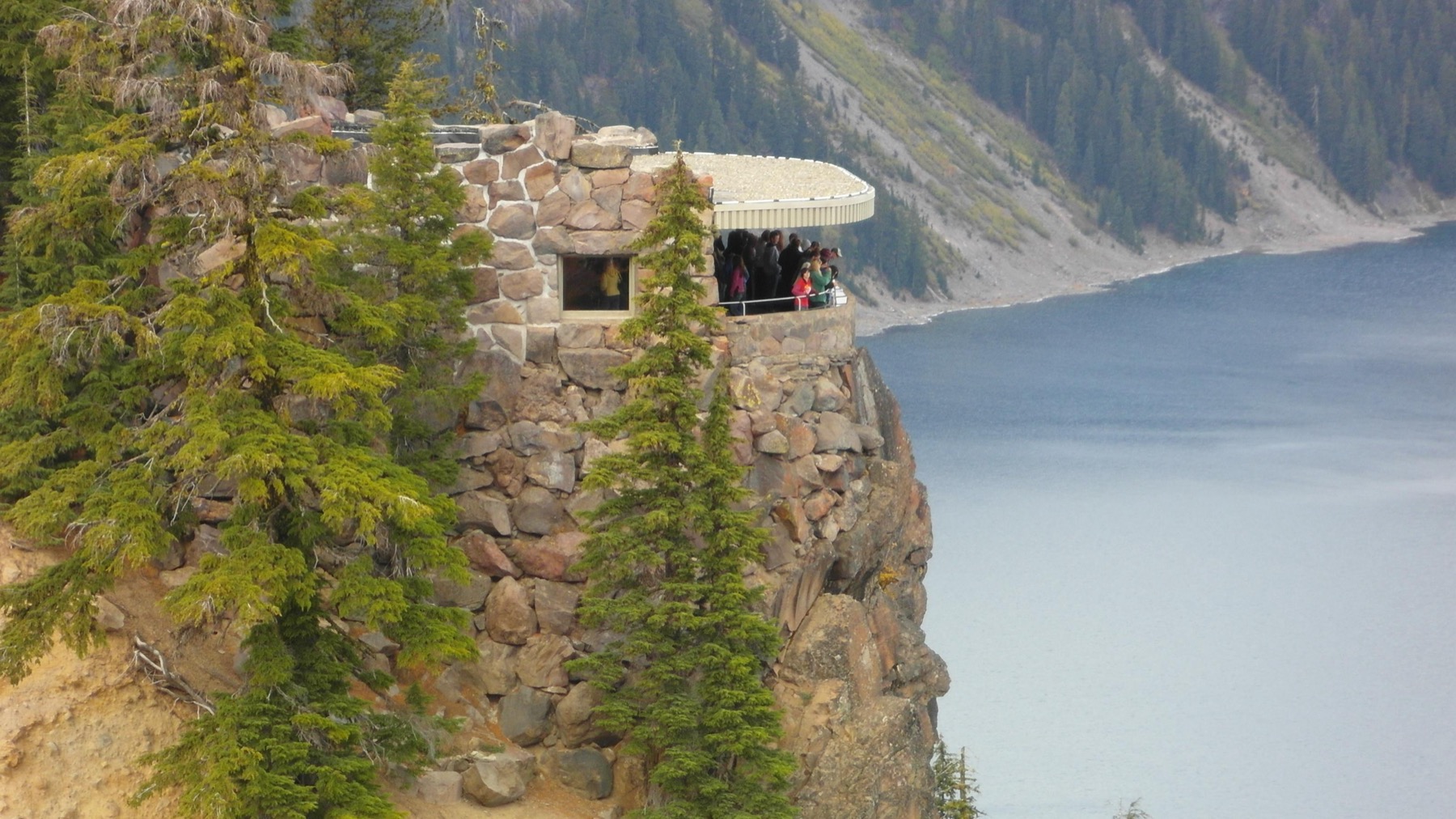
Crater Lake is the deepest lake in the country, and a blue you will not quite believe until you are standing over it. At Rim Village a paved promenade runs right along the edge, so you can park, step out, and be at the rim in minutes. If you want a little forest too, the Godfrey Glen loop is the park's fully accessible trail, a gentle mile with no steep pitch.
This one is seasonal. Crater Lake is one of the snowiest places in the country, and the rim road and facilities close for much of the year, so plan a summer or early fall date and confirm access with the park before you book. Start with permits and photographers on the Crater Lake location page.
Yosemite Valley, California
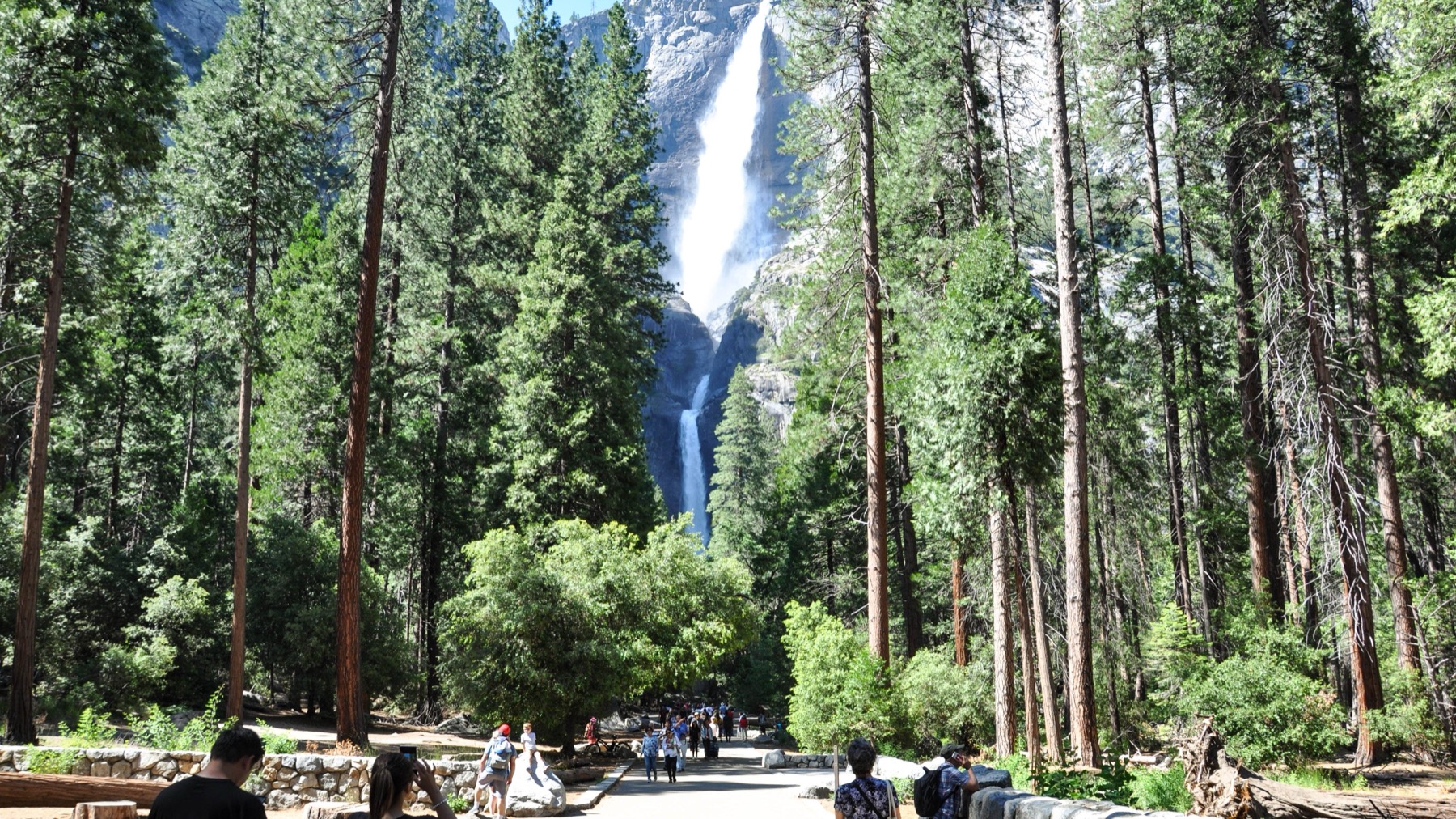
Yosemite Valley holds more awe in a few flat miles than almost anywhere, and you do not have to climb to feel it. The path to lower Yosemite Fall is paved to the viewing area, with benches and seating set at chair height, and the free valley shuttle is fully accessible, so you can move between granite, meadow, and waterfall without a single hill.
Good news for timing: Yosemite is not requiring entry reservations in 2026, so your date is yours to pick. Aim for spring if you want the waterfalls at full roar. See the details on the Yosemite location page.
White Sands, New Mexico
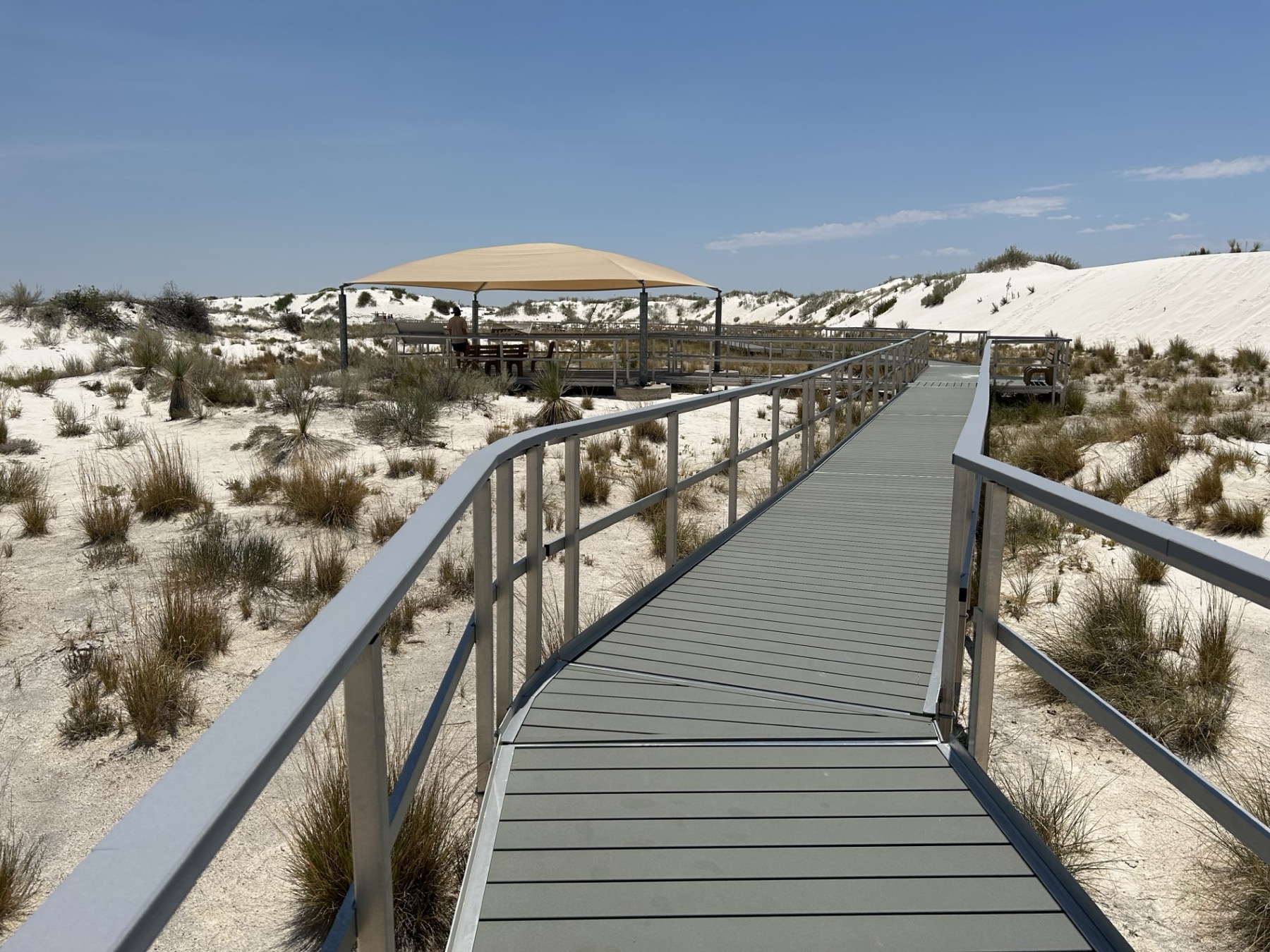
White Sands looks like nowhere else on earth, a sea of soft white gypsum that turns pink and gold at sunset. Soft sand is the enemy of a wheelchair or a cane, so this is the spot that solves it: the Interdune Boardwalk, a solid, level walkway that carries you straight out into the dunes, with room for chairs and strollers.
Two things to plan around. The heat is no joke. The park asks every visitor to carry a gallon of water and warns against being out in the dunes once it climbs past the mid 80s, so an early morning or evening ceremony is the move, never midday. And because the park sits inside a missile range, it closes now and then for tests, usually with about two weeks notice, so check before you go. Plan it on the White Sands location page.
Badlands, South Dakota
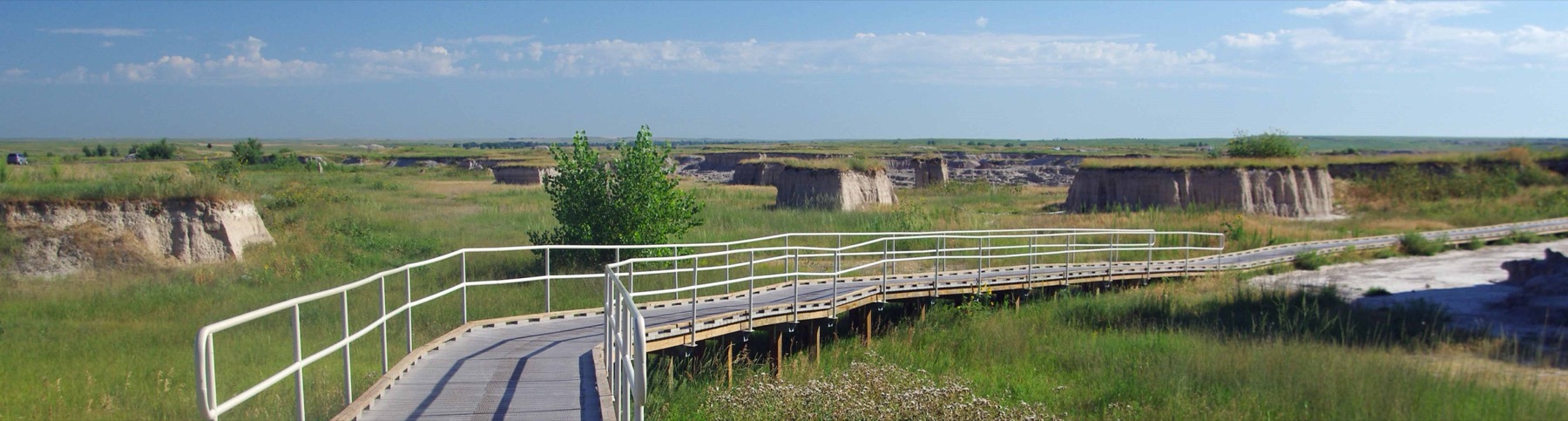
The Badlands look carved by hand, striped spires and canyons running clear to the horizon, and you can be right in the middle of them without rough ground underfoot. The Fossil Exhibit Trail is a level boardwalk through the formations, and most of the overlooks along the loop road are reachable on gentle, wheelchair friendly grades, many on wood boardwalks. Accessible parking and restrooms sit at the visitor center and the main pullouts.
Golden hour sets the whole place on fire, and the park is rarely crowded, so you can have a sweeping overlook nearly to yourselves. See permits and local photographers on the Badlands location page.
Planning the day around your body, not against it
You have the place. Here is how to make the day feel easy:
- Pace it, and build in rest. Do not stack a long approach, a long ceremony, and a long photo session one after another. Leave room to sit, breathe, and just be married. There is no clock here but yours.
- Plan around heat and altitude. Carry more water than feels reasonable, pack a salty snack, and chase the cool, soft hours at the start or end of the day.
- Get the free Access Pass. If you or a guest has a permanent disability, the America the Beautiful Access Pass is a lifetime pass that covers entrance fees at every park on this list.
- Think about your guests. If a parent or friend uses a chair too, choose your spot for them as much as for you: accessible parking, a short flat path, somewhere to sit.
- See it before the day. Ask for recent photos or video of the exact path and view, or scout it yourself, so nothing is a surprise.
- Keep a backup at the same level. Weather, crowds, or a closure can move you, so have a second spot that is just as easy to reach.
- Let your photographer be your guide. On Elope Atlas you can message local photographers for any park, at no cost, on every plan. Ask them where the accessible views are, how they would keep your route flat, and how they will photograph you both at eye level. The right one will have an answer for all three.
Common questions about accessible national park elopements
Can you get married in a national park if you use a wheelchair?
Yes. Many parks have paved overlooks, boardwalks, and viewing areas you can reach without hiking, and every park in this guide has at least one. Call the park's accessibility coordinator to confirm the exact surface and grade before you book.
Do you need a permit to elope in a national park?
Almost always. Most parks require a special use permit for a ceremony, even a small one, and the popular accessible spots fill early. Check the permit on each location page and apply well ahead of your date.
Which national parks are easiest to elope in with limited mobility?
Grand Canyon South Rim, Crater Lake, Yosemite Valley, White Sands, and Badlands all have scenic ceremony spots on paved paths, boardwalks, or short, level routes from accessible parking.
Your vow spot is already out there
It might be a paved rim above a canyon, a boardwalk over pink sand, or a quiet overlook a few steps from the car. Save the places that feel like yours, line up the permit, and message a local photographer, all in one place. Start on your Roadmap, or browse every location to find the one that fits the two of you.