
You’ve picked the location. Maybe it’s a granite overlook in a national park, or a meadow in a national forest you found on a backpacking trip three years ago. The next question is practical: do you need permission to get married there?
The short answer is almost always yes. The longer answer depends entirely on who manages the land you’re standing on. National parks, national forests, state parks, and Bureau of Land Management land all operate under different agencies with different rules, different fees, and different timelines. Confusing them is one of the most common planning mistakes couples make.
This guide breaks down each land type so you know exactly what to expect before you start filling out applications.
National Parks: The Most Structured Process
If you want to elope inside a national park, you need a Special Use Permit. This applies even if it’s just the two of you exchanging vows with no guests, no chairs, and no setup. The ceremony itself is what triggers the requirement.
Permit fees typically range from $75 to $300 depending on the park. Popular parks like Rocky Mountain, Yosemite, and Grand Teton have additional layers: designated ceremony sites, guest caps, vehicle limits, and seasonal restrictions. At Rocky Mountain, for example, there are 13 designated ceremony sites, each with its own capacity limit. At Grand Teton, certain sites book out within weeks of permits opening in December.
What to expect:
Application timeline: Apply at least four weeks in advance. For high-demand parks, apply the day permits open, often 12 months before your date.
Fees: $75 to $300+ for the Special Use Permit, plus standard park entrance fees for you, your guests, and your vendors.
Ceremony locations: Most parks restrict ceremonies to pre-approved sites. You typically cannot choose your own spot.
Time limits: Many parks cap ceremonies at two hours, including setup and teardown.
Restrictions: No amplified sound, no arches or large structures, no flower petals or confetti. Dogs are generally prohibited on trails. Drones require a separate FAA waiver.
One important note: your photographer likely needs their own Commercial Use Authorization to shoot inside a national park. This is separate from your ceremony permit. Make sure they have it before your date.
National Forests: More Flexibility, Fewer Restrictions
National forests are managed by the U.S. Forest Service, not the National Park Service, and the difference in approach is significant. These lands tend to be far less regulated for small ceremonies.
In many national forests, groups of fewer than 75 people do not need a Special Use Permit for a ceremony. You still need to follow Leave No Trace principles and any local ranger district rules, but you generally won’t need to submit an application, pay a permit fee, or get approval for a specific site. This makes national forests one of the most accessible options for couples who want a beautiful outdoor ceremony without the bureaucratic overhead.
The tradeoff is infrastructure. National forests rarely have designated ceremony sites, paved access, restrooms near scenic overlooks, or cell service. You’re working with wild land, and that’s part of the appeal. But it also means scouting your location in advance and having a backup plan for weather.
Also worth noting: dogs are generally allowed in national forests, often on leash. If eloping with your dog is non-negotiable, national forest land is usually your best option.
State Parks: It Depends on the State
State park permit requirements vary enormously because each state manages its own park system independently. There is no universal rule here.
Some state parks are highly accommodating. They may have designated wedding areas, online permit applications, and clear fee schedules. Others require you to call the park office directly, submit a paper application, and provide proof of liability insurance naming the state parks commission as an additional insured.
Fees for state park ceremony permits generally range from $25 to $200. Some states charge additional fees for commercial photography, which may affect your photographer. Processing times vary, but plan on at least two to four weeks.
The best approach: identify the specific state park you want, then contact that park’s office directly. Don’t rely on general state park websites, which are often outdated. The ranger or event coordinator at the individual park will give you the most accurate and current information.
BLM Land: The Wild Card
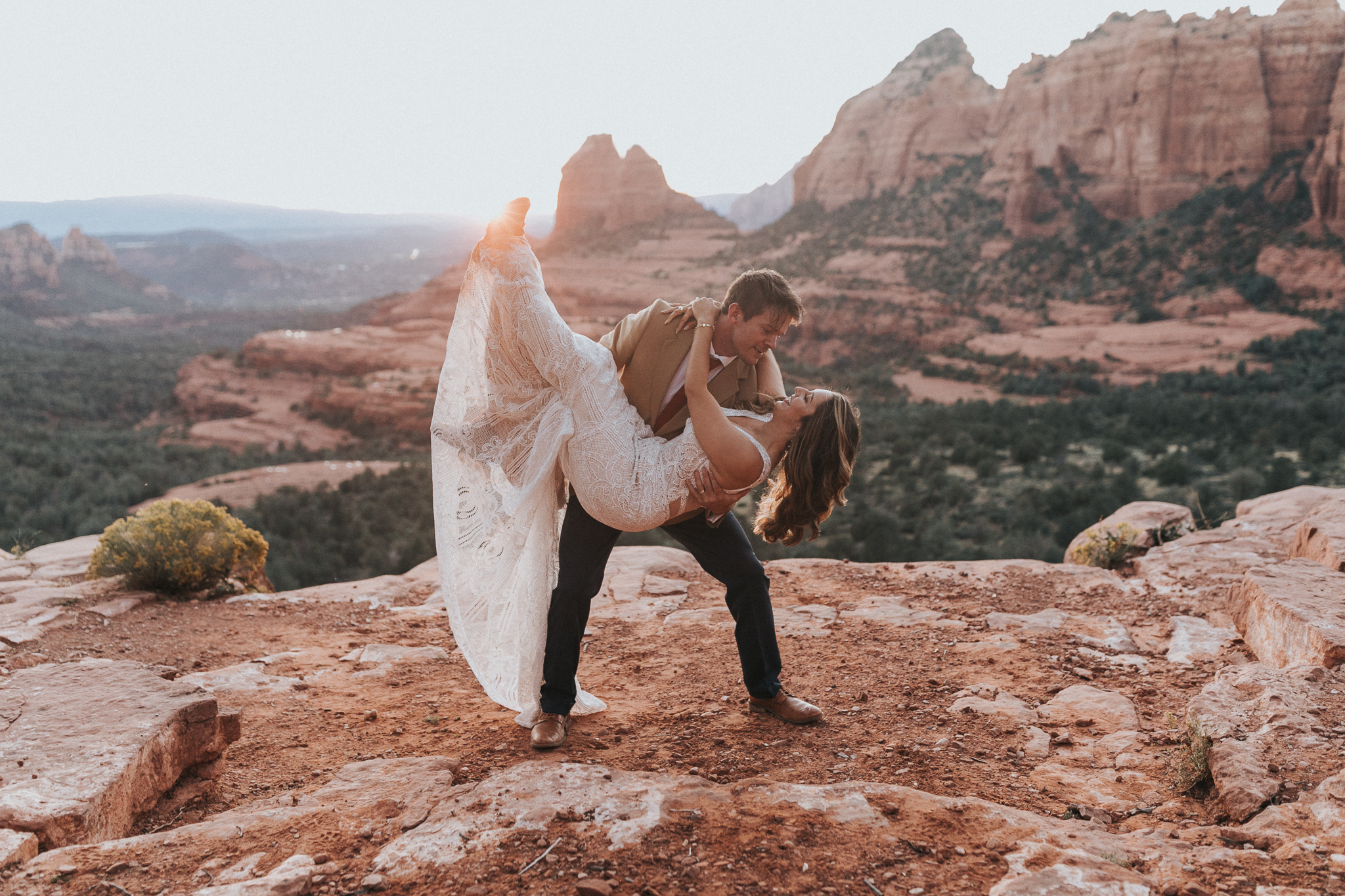
Bureau of Land Management land covers roughly 245 million acres, mostly in the western United States. It includes some of the most dramatic elopement landscapes in the country: Utah’s red rock deserts, Oregon’s high desert, and Nevada’s desert valleys.
Permit rules on BLM land are the least consistent of any land type. In some areas, small, low-impact ceremonies with no structures or reserved space may fall under casual use and require no permit at all. In others, you’ll need a Special Recreation Permit, which can run $100 to $500+ depending on the field office and the specifics of your event. Your photographer may also need a separate commercial filming permit.
The key variable is the local BLM field office. Rules, fees, and even the definition of what constitutes a “commercial activity” can differ from one office to another within the same state. Contact the field office that manages your specific location and describe exactly what you’re planning: party size, vendors, duration, and any equipment. They’ll tell you whether you need a permit and what it costs.
BLM land offers incredible freedom and privacy, but the remoteness that makes it beautiful also means limited access, no services, and exposure to weather. Plan accordingly.
Private Land and Venues: A Different Equation
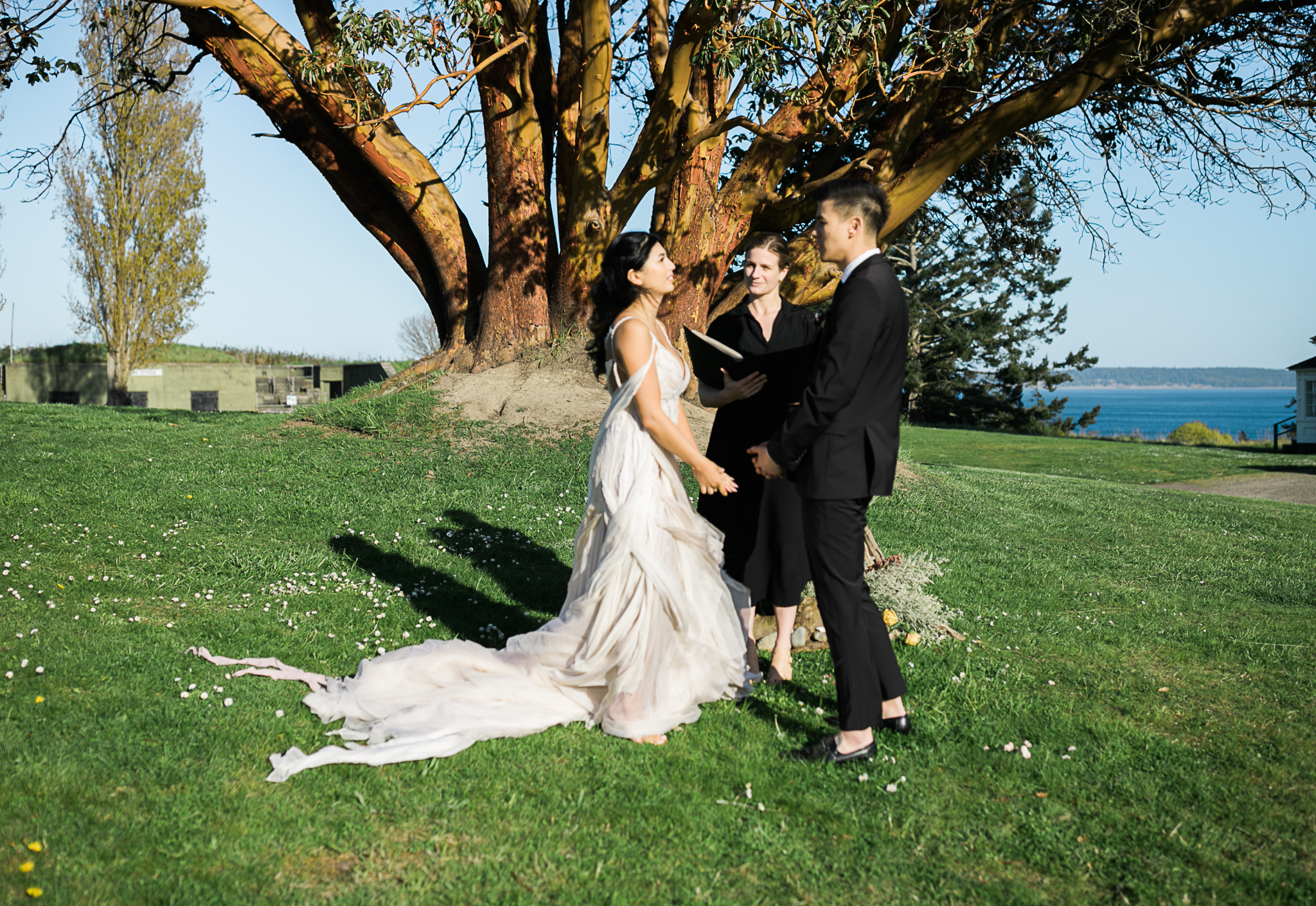
If you’re eloping on private property, whether that’s a vacation rental, a friend’s backyard, or a dedicated elopement venue, permits from land management agencies don’t apply. You’ll still need a marriage license (which is issued by the county, not the venue), and you may need to confirm with the property owner that ceremonies are allowed. Some vacation rental platforms prohibit events in their terms of service.
Don’t Confuse the Permit with the Marriage License
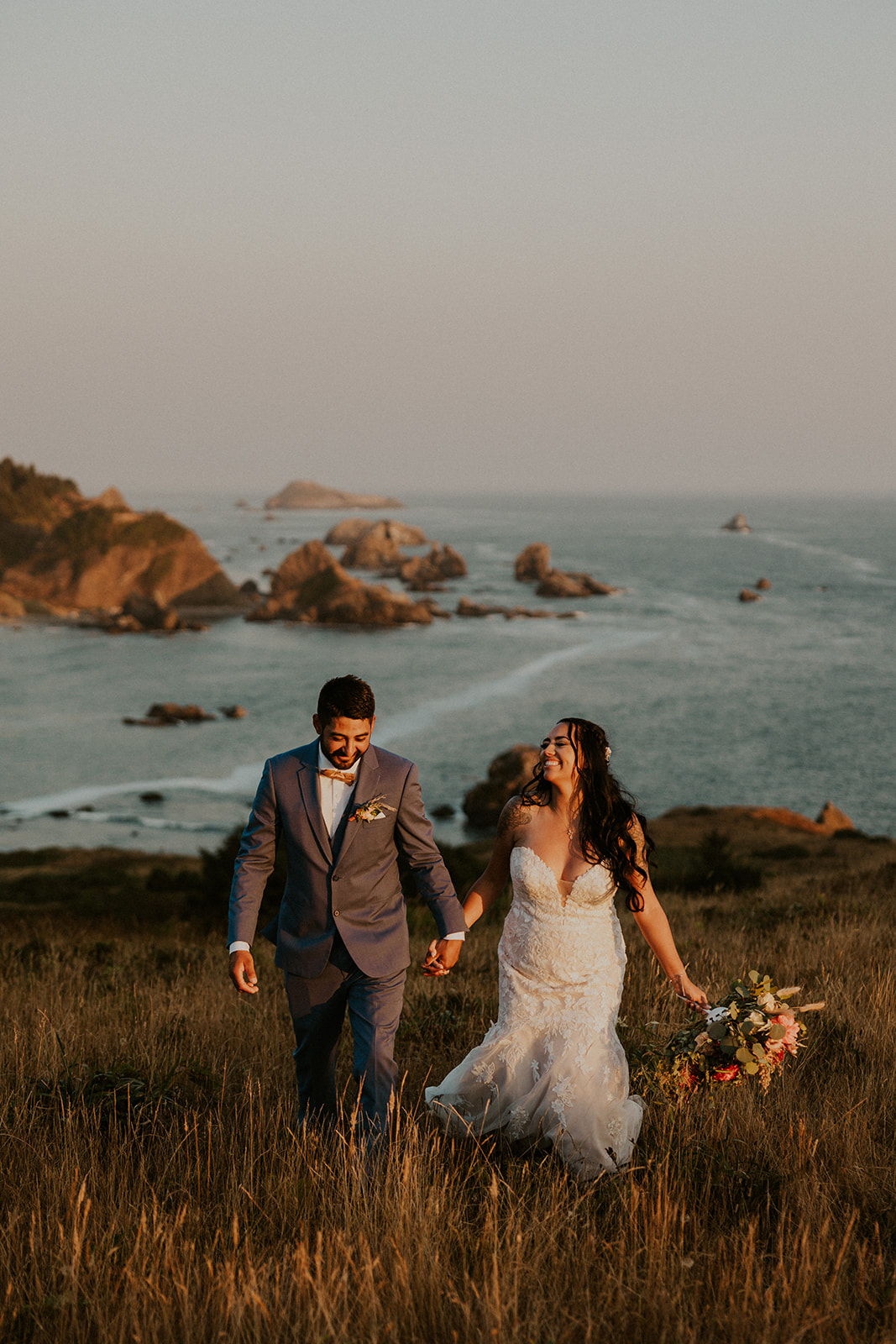
A ceremony permit gives you permission to use a location. A marriage license makes your marriage legal. These are two completely separate things issued by different agencies, and you need both.
Marriage licenses are issued by county clerk offices. Requirements vary by state: some have waiting periods, some require witnesses, some allow self-solemnization (Colorado is the most well-known example). You do not need to be a resident of the state where you get married. Research the specific county where your ceremony will take place and apply in advance.
How to Avoid the Most Common Permit Mistakes
Apply early. For national parks especially, popular dates and sites sell out months in advance. Permits for Rocky Mountain National Park’s June and September 2026 dates are already gone.
Know your land type. Two locations that look identical on Instagram can be managed by completely different agencies. Verify whether you’re on NPS, USFS, state, or BLM land before assuming the rules.
Ask about your vendors. Your photographer, videographer, and officiant may each need separate permits or authorizations. Don’t assume your ceremony permit covers everyone.
Print your permit. Bring a physical copy on the day of your elopement. Cell service is unreliable in most of the places worth eloping.
Practice Leave No Trace. Every permit comes with conditions. Follow them. Parks have tightened regulations in recent years because of damage caused by couples and vendors who didn’t. The access we have to these places depends on how we treat them.
Every location on Elope Atlas includes the specific permit requirements, fees, timelines, and application links for that site. Pick your location and the permit details are already there.