
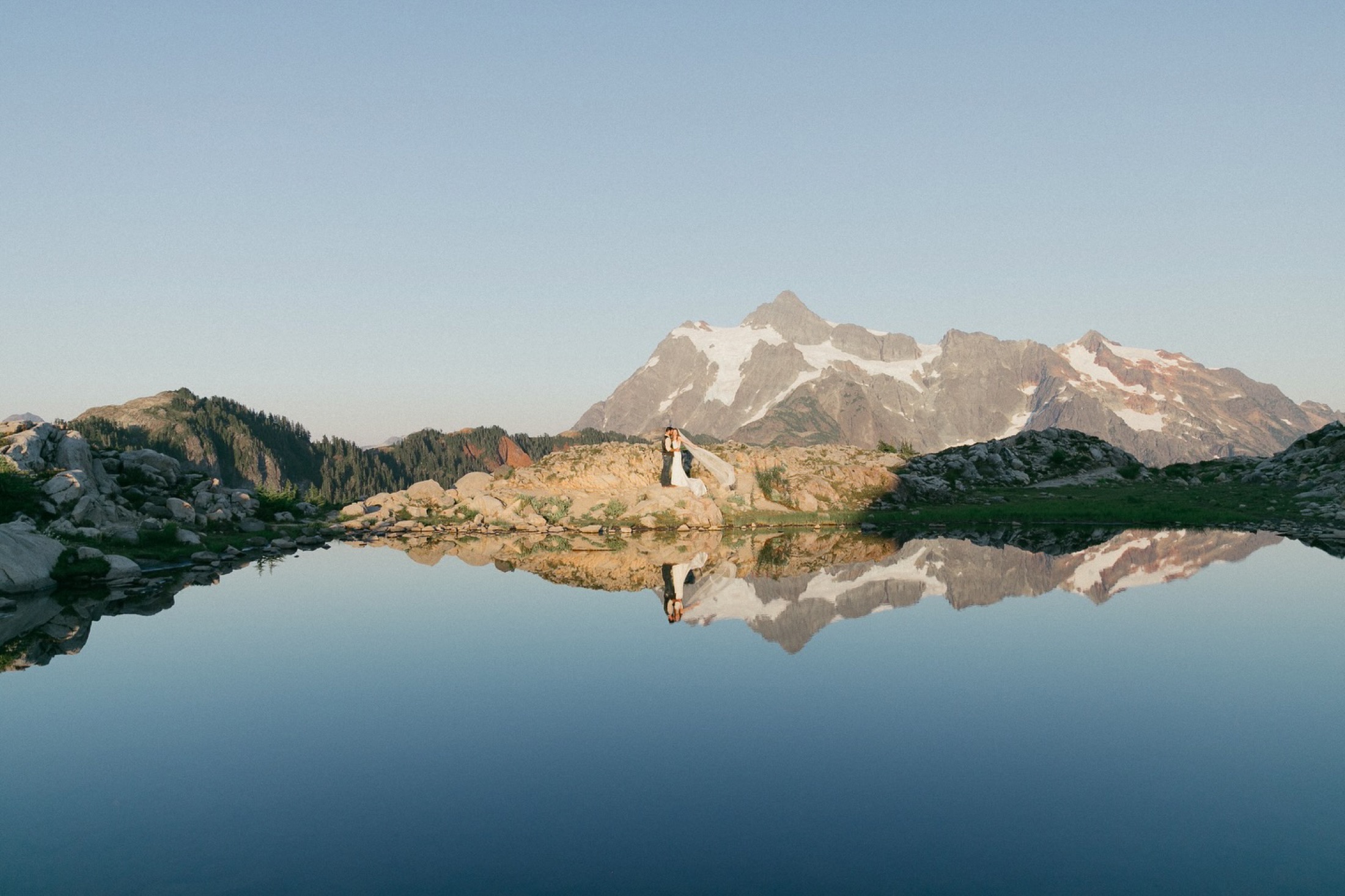
You've picked the park. Maybe it's a granite basin you found on a backpacking trip, or a stretch of coastline you've driven past for years. The location is the easy part. The harder question is the one nobody can fully answer in advance: what will the day actually be like when you're standing there?
You can't control the weather. No one can. But a national park elopement doesn't have to be a gamble. Most of what couples worry about is knowable ahead of time, if you know where to look. This is a guide to the conditions worth checking, and how to keep them all in one place while you plan.
Seasonality is planned. Weather is prepared for.
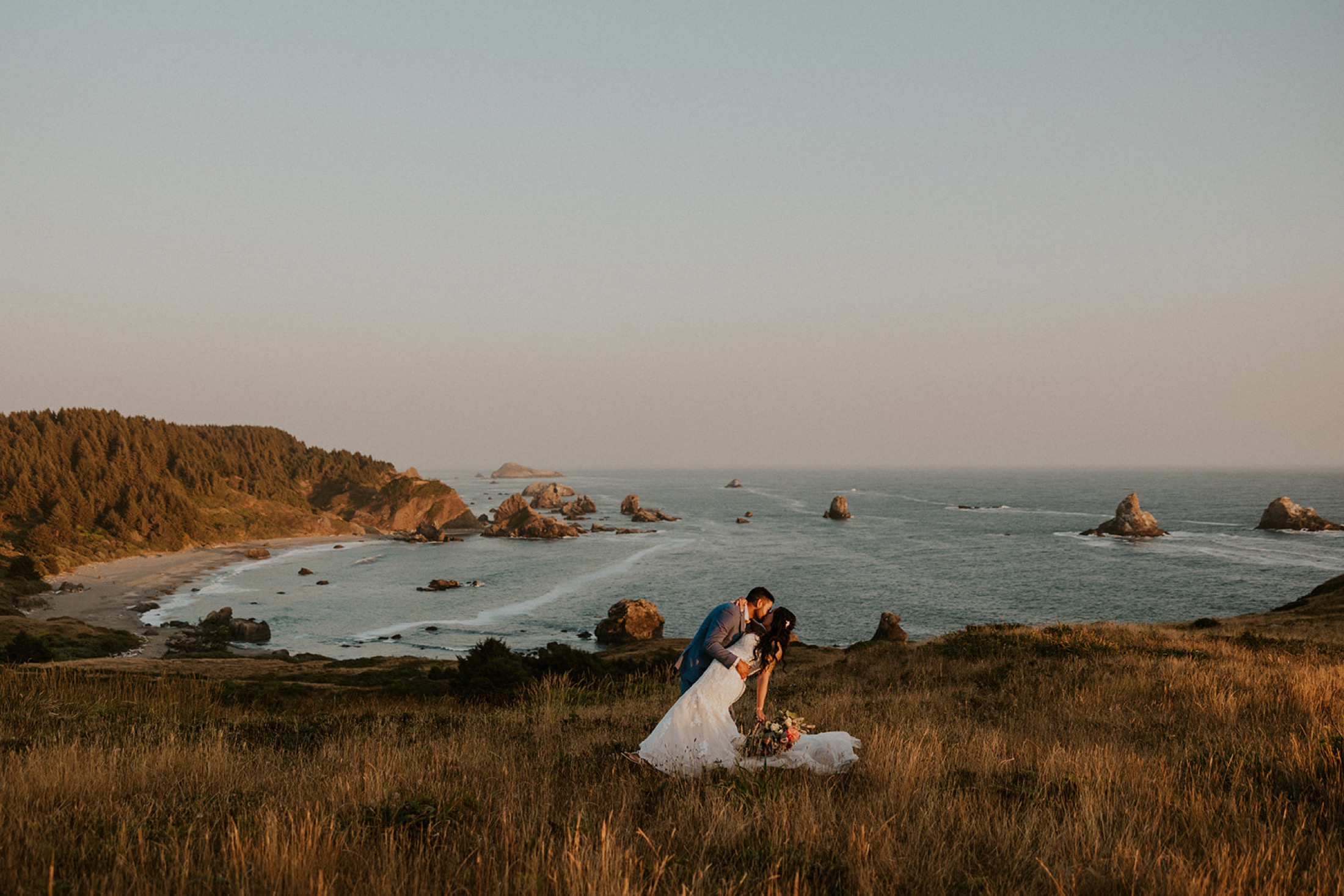
There's a useful line elopement photographers draw between two things. Seasonality is the pattern: when a park is accessible, when the wildflowers come in, when the road to the high country opens, when the crowds thin out. That's something you plan around months ahead. Weather is what happens on the actual day, and it's far less predictable, especially now.
Both matter. Seasonality decides your window. Weather decides your morning. The couples who feel settled on their date tend to be the ones who planned the first and prepared for the second.
The conditions worth checking
The honest old way to check all of this was a scatter of browser tabs: a weather app, a tide chart, the park's alerts page, an air quality map. Every location page on Elope Atlas now gathers the live conditions for that spot in one place, so it's one read instead of ten.
Light. Sunrise, sunset, and the golden hour windows on either side. A national park ceremony is quietest in the first hours after sunrise, before the day visitors arrive, and the exact times let you and your photographer shape a timeline around the light you want.
Weather. A seven day forecast for the spot itself, not the nearest town an hour and a few thousand feet below. Temperature, rain chance, and wind. Afternoon thunderstorms are common in the mountains through July and August, which is worth knowing when you set a ceremony time.
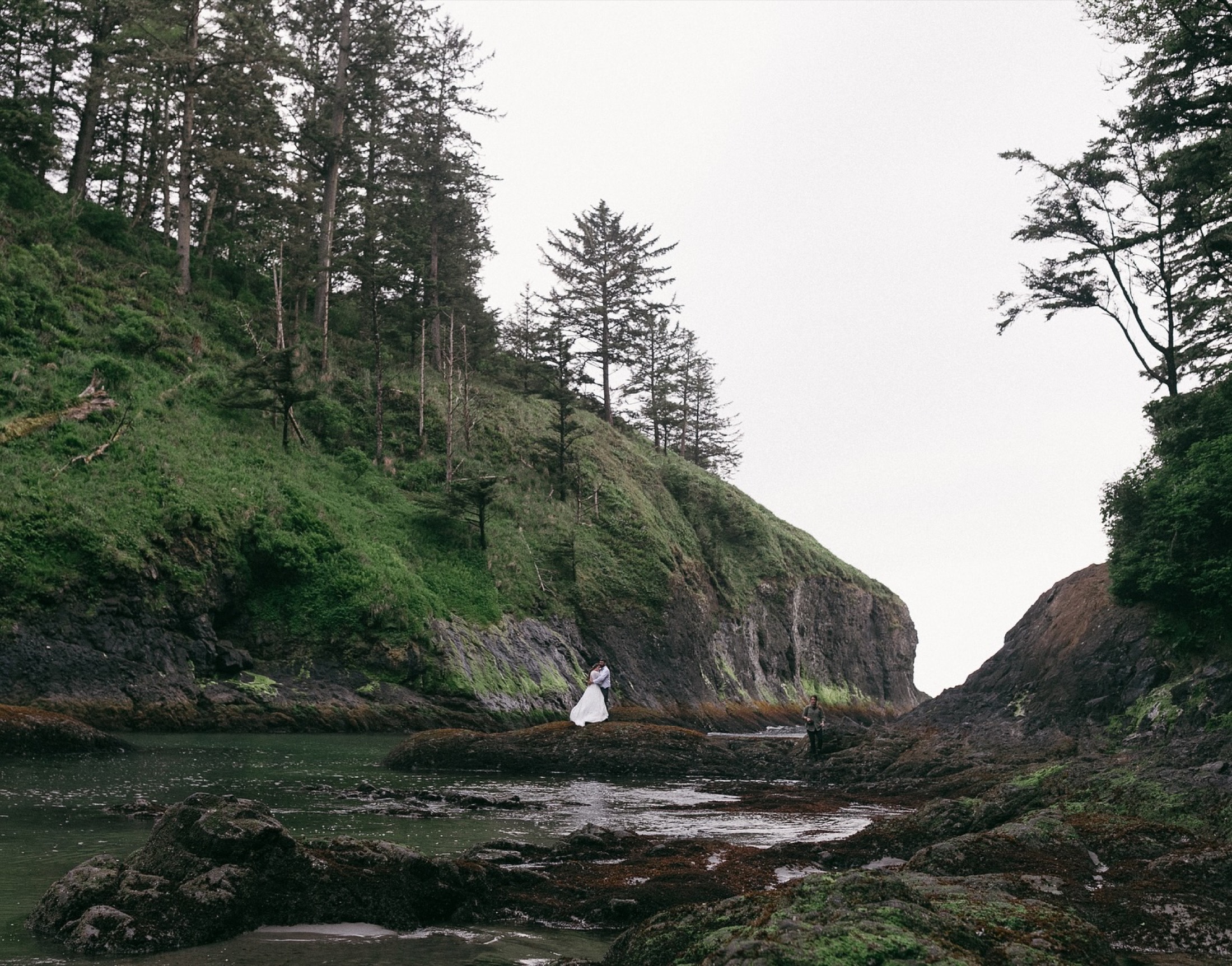
Tides. For a coastal elopement, the tide shapes the whole day. Low tide is when the sea caves open, the tidepools surface, and the beach is at its widest. Elope Atlas pulls live tide tables from NOAA for coastal locations, so the day's high and low tide are on the page as you plan.
Water flow. A waterfall in May and the same waterfall in late August are not the same waterfall. Live river flow from USGS shows whether the water is running full or thin, which matters for waterfall and canyon ceremony spots.
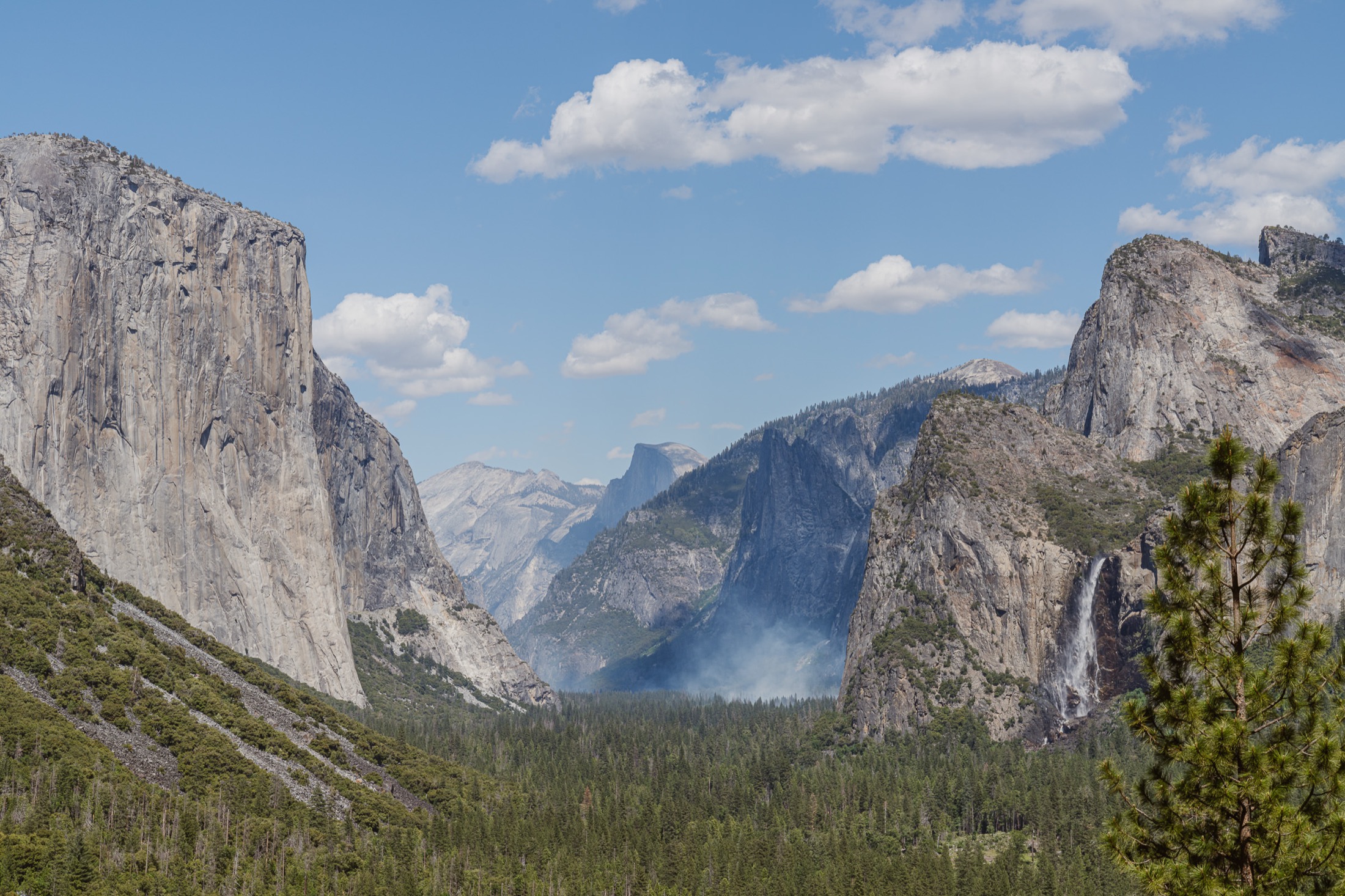
Wildfire. Late summer in the western parks is fire season, and smoke travels a long way from the fire itself. Elope Atlas checks NASA satellite data for active fire near each location, so a smoke risk shows up while there's still time to plan around it.
Snow. For an alpine elopement in the colder months, avalanche danger is a real planning factor. Where a location sits inside a forecast zone, the day's danger rating is on the page.
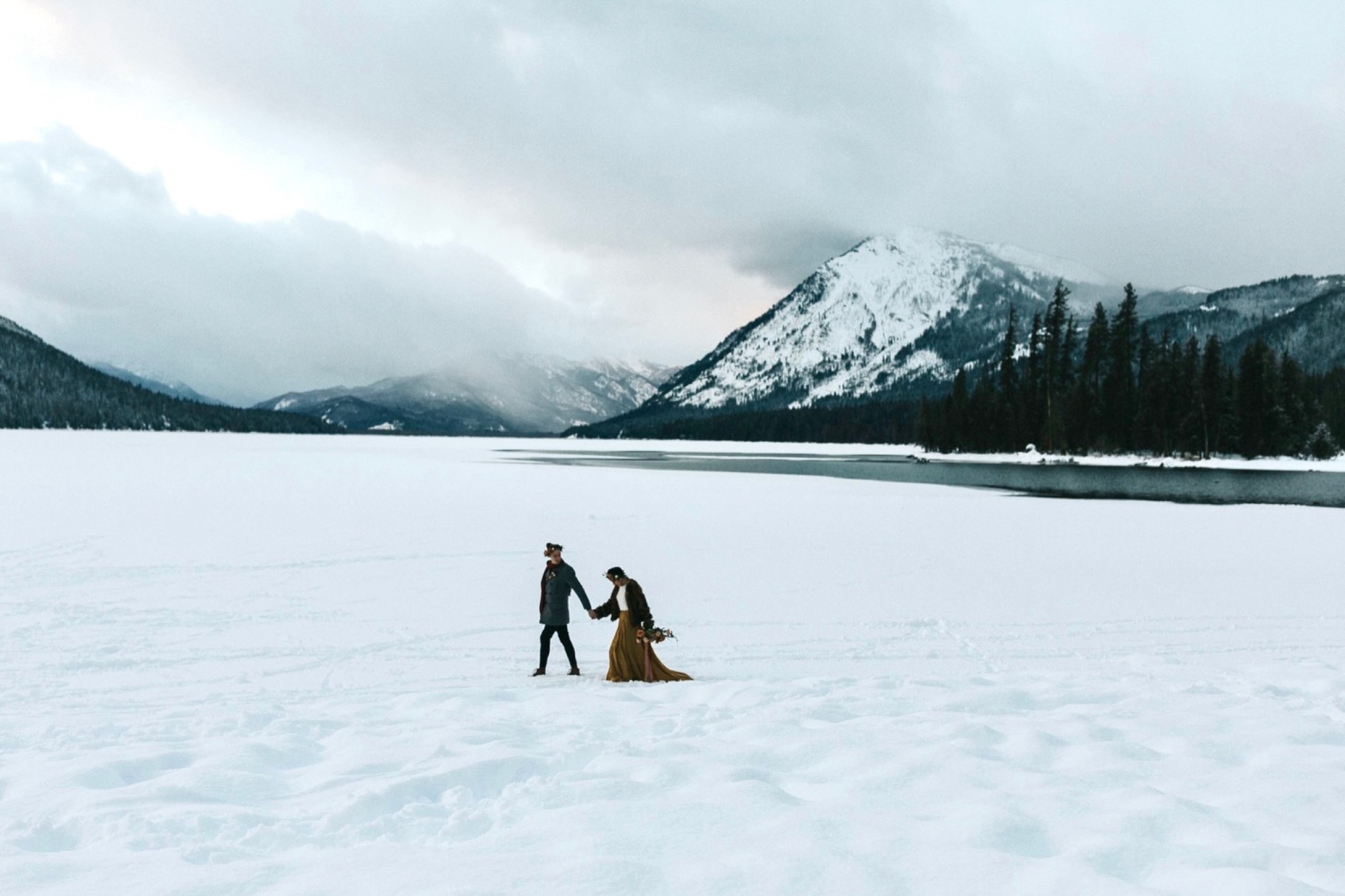
Park alerts. Road closures, trail conditions, and warnings change with little notice. Elope Atlas shows live alerts from the National Park Service on every park location page, straight from the source, the day they post.
The week before your date
Most of this planning happens early. The final stretch is its own thing. In the last days before your date the questions narrow: is the road open, is there a forecast worth a backup, is anything newly closed. For couples planning inside their Elope Atlas Roadmap, that last watch runs on its own. In the final ten days, a note arrives if a new alert reaches a saved location, so the one update that actually changes your day doesn't slip past.
Keep a backup, then let the day be what it is
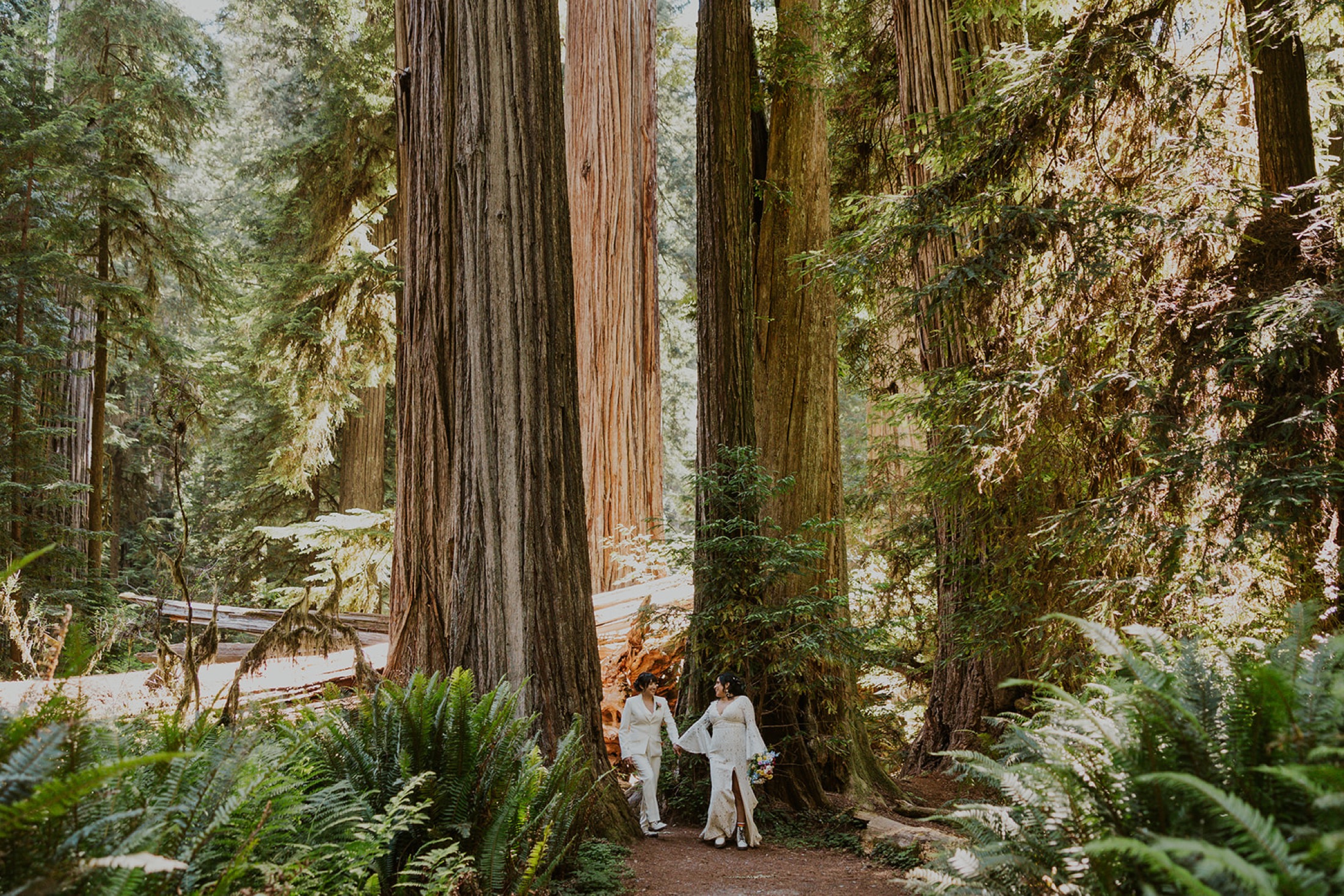
Experienced elopement photographers plan a second location. Not because the first one will fail, but because a flexible plan is what makes an uncertain forecast survivable: a weather backup, a sunrise option instead of an afternoon slot, a lower trail if the high one is still under snow. Those are decisions you make with your photographer, and they're far easier to make when the conditions are in front of both of you.
Then, on the day, some of it is out of your hands, and that's part of it. Fog that wasn't in the forecast can be the photo you frame on the wall. The couples who look back on their elopement with the most love aren't the ones who got lucky with the weather. They're the ones who planned well enough to stop worrying, and let the place be exactly what it was.
Open any location on Elope Atlas and the conditions for that spot are right there. Start with the place that means something to you.
Photography by Venturing Vows and Outshined Photography.